Choosing a POS system is a big decision for any business. While the price tag may seem straightforward, many point of sales solutions come with hidden costs that impact profitability. This guide uncovers those fees, explains what to look out for, and helps you choose the best POS system without unexpected expenses.
Why Businesses Rely on POS Systems
A POS system is more than a checkout tool. It manages transactions, tracks inventory, collects customer data, and even runs a loyalty or membership system. The right point of sales solution helps businesses streamline operations, improve customer experience, and drive growth.
But here’s the challenge: many companies focus only on upfront costs when evaluating the best POS system. What often gets overlooked are the hidden fees—expenses that add up over time and eat into profits.
Common Hidden Costs of POS Systems
1. Payment Processing Fees
Most POS providers charge transaction fees, which can range from 1.5% to 3% per sale depending on the provider and card type. While this seems small, it adds up quickly for high-volume businesses. Some providers also add markups for international cards or mobile wallet payments.
2. Hardware Expenses
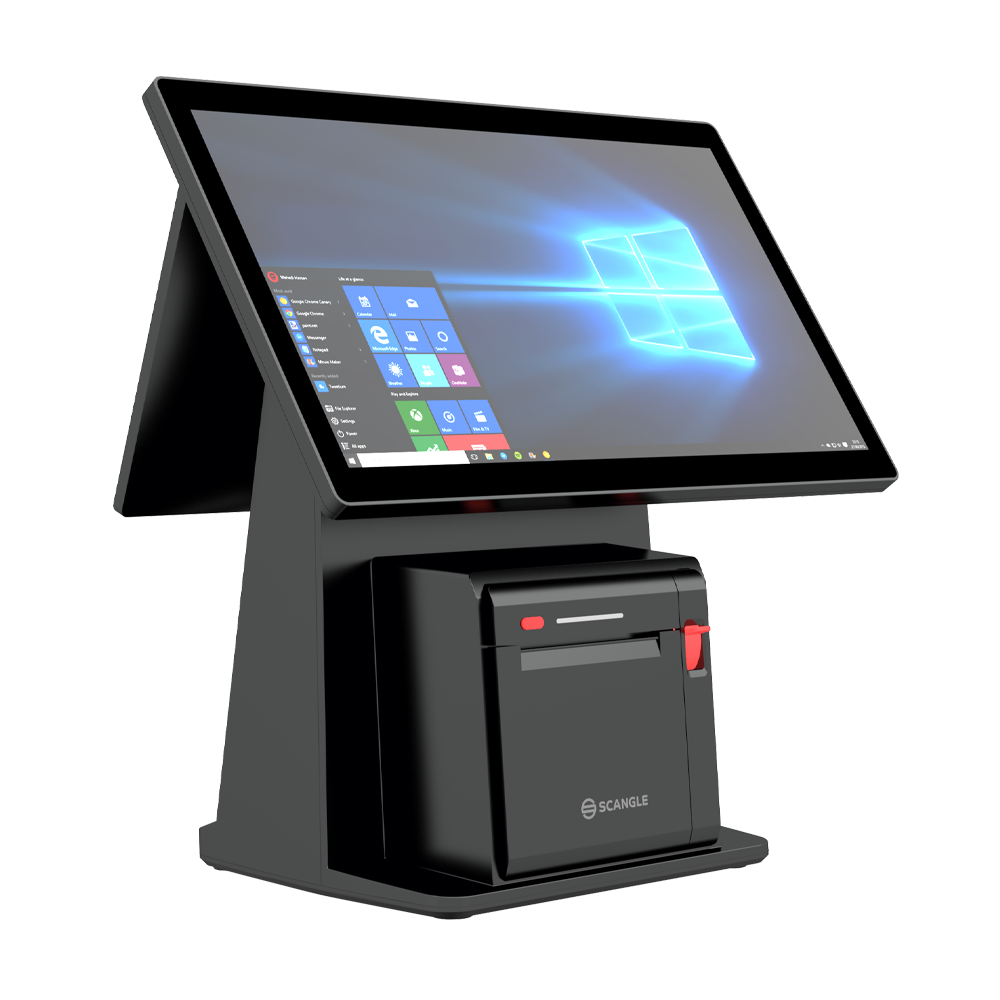
While software may appear affordable, the hardware can be a major hidden cost. Businesses often need:
- Receipt printers
- Barcode scanners
- Tablets or terminals
- Cash drawers
Some providers lock you into proprietary hardware that is more expensive to replace or upgrade.
3. Add-On Features
Features like advanced reporting, customer loyalty programmes, or multi-location management are sometimes sold as extras. A business may start with a low monthly plan, only to find essential tools hidden behind premium tiers.
4. Contract and Licensing Fees
Long-term contracts, setup charges, or licensing fees for additional users can quietly increase costs. Before signing, businesses should review contract terms and understand renewal clauses.
5. Support and Maintenance Costs
Not all providers include 24/7 support. Some charge additional fees for priority service, system upgrades, or on-site troubleshooting.
The True Cost of a POS System
When factoring in these hidden fees, the true cost of a POS system is often much higher than advertised. For example:
- A café may pay $49/month for POS software, but once you add card processing, hardware, and loyalty system fees, the real cost could exceed $200/month.
- A retail store using a membership system for customer rewards may face additional subscription costs to enable integrations with its POS.
This is why comparing providers solely on the “best POS system” headline price can be misleading.
How to Avoid POS System Hidden Costs
1. Ask About All-Inclusive Pricing
Some providers offer bundled packages that include hardware, software, and payment processing. While the monthly rate may appear higher, it prevents surprise fees down the line.
2. Understand Processing Agreements
Carefully review transaction fee structures. Ask about surcharges for different card types, refunds, or chargebacks. Transparent providers will provide a detailed breakdown.
3. Check Feature Availability
If your business needs a rewards system, CRM tools, or advanced analytics, make sure these are included in your chosen plan. Hidden add-on costs can erode your budget.
4. Prioritise Scalable Solutions
Cloud-based POS systems scale easily without expensive hardware changes. This is crucial if you plan to expand locations or add new staff accounts.
5. Compare Long-Term ROI
The cheapest POS option isn’t always the most cost-effective. A slightly higher monthly rate that includes loyalty integrations or membership systems may save money compared to piecing together separate add-ons.
POS Systems and Customer Retention
One overlooked factor when calculating POS system value is customer retention. Features like loyalty programmes, membership systems, and integrated rewards help businesses increase repeat sales.
A well-designed POS system doesn’t just process payments—it becomes a customer relationship tool. When you factor in the revenue from loyal customers, a system with built-in loyalty features often pays for itself faster than a stripped-down version with hidden upgrade costs.
Choosing the Best POS System Without Surprises
Finding the best POS system is less about the lowest advertised price and more about transparency. Businesses should:
- Compare total monthly costs, not just the base subscription.
- Prioritise solutions that include loyalty, rewards, or membership tools.
- Look for providers with strong reputations for transparent pricing.
- Consider scalability and integrations to avoid costly migrations later.
By doing thorough research, you’ll avoid being caught off guard by hidden expenses and instead invest in a point of sales solution that delivers long-term value.
Final Thoughts on POS Systems
A POS system is one of the most important investments a business can make. Yet many owners underestimate the hidden costs—processing fees, hardware, add-ons, and support—that quickly inflate expenses.
The key to avoiding these pitfalls is transparency. Choose a provider that clearly outlines all costs upfront, includes essential features like customer loyalty programmes, and offers scalable pricing that grows with your business.
The best POS system is not the cheapest—it’s the one that balances affordability with long-term value, helping your business streamline operations and strengthen customer relationships.