Introduction
In today’s highly competitive marketplace, businesses need more than eye-catching advertisements to attract and retain customers. Consumers are constantly exposed to marketing messages across digital platforms, social media, television, and mobile apps, making it increasingly difficult for brands to stand out. As customer expectations continue to evolve, companies are turning to experiential marketing to create meaningful interactions that build trust, strengthen relationships, and encourage repeat purchases.
Rather than simply promoting products, experiential marketing allows customers to engage directly with a brand through memorable experiences. These interactions foster emotional connections that can influence purchasing decisions and inspire long-term loyalty. Working with an experienced experiential marketing agency like FG|PG enables businesses to design creative campaigns that not only capture attention but also deliver measurable improvements in customer loyalty and sales.
Understanding Experiential Marketing
Experiential marketing is a strategy that focuses on creating immersive and interactive experiences that allow consumers to connect with a brand in meaningful ways. Instead of relying solely on traditional advertising, businesses invite customers to participate in live events, product demonstrations, pop-up stores, workshops, digital activations, and other engaging experiences.
This customer-centered approach transforms audiences from passive observers into active participants, making the brand more memorable and trustworthy.
Examples of experiential marketing include:
- Product launch events
- Interactive brand activations
- Pop-up retail experiences
- Community engagement campaigns
- Virtual reality demonstrations
- Augmented reality experiences
- Trade show activations
- Hybrid digital and in-person events
These experiences help customers understand products while creating lasting emotional impressions.
Why Customer Loyalty Matters
Customer loyalty is one of the most valuable assets a business can build. Loyal customers are more likely to make repeat purchases, recommend the brand to others, and remain committed even when competitors offer similar products or services.
Strong customer loyalty provides several business benefits:
- Increased repeat sales
- Lower customer acquisition costs
- Higher customer lifetime value
- Stronger brand advocacy
- Positive word-of-mouth referrals
- Greater resilience during market changes
Experiential marketing helps businesses achieve these outcomes by creating genuine relationships instead of focusing solely on transactions.
Creating Emotional Connections
One of the greatest strengths of experiential marketing is its ability to create emotional engagement. Customers tend to remember experiences far longer than advertisements because emotions play a major role in memory and decision-making.
When people attend a memorable event, participate in an interactive demonstration, or enjoy a personalized brand experience, they begin associating those positive emotions with the company.
These emotional connections encourage:
- Repeat business
- Greater trust
- Increased customer satisfaction
- Stronger brand preference
- Long-term loyalty
Brands that create meaningful experiences often develop deeper relationships with their audiences than those relying only on conventional advertising.
Building Trust Through Authentic Experiences
Trust plays a critical role in purchasing decisions. Consumers increasingly seek brands that demonstrate authenticity rather than relying on promotional claims.
Experiential marketing provides opportunities for customers to:
- Test products firsthand
- Speak directly with knowledgeable representatives
- Observe product demonstrations
- Receive personalized recommendations
- Experience brand values in action
These authentic interactions increase confidence while reducing uncertainty before making purchasing decisions.
Customers who trust a brand are significantly more likely to return for future purchases.
Encouraging Active Participation
Traditional advertising generally delivers one-way communication.
Experiential marketing encourages two-way engagement by inviting customers to become active participants.
Examples include:
- Interactive games
- Product customization
- Live demonstrations
- Educational workshops
- Hands-on testing
- Digital challenges
- Creative installations
Participation increases customer involvement while making the overall experience more memorable.
The more engaged customers become, the stronger their relationship with the brand.
Driving Sales Through Product Experiences
Experiential marketing directly supports sales by helping consumers better understand products and services.
Hands-on demonstrations allow customers to evaluate:
- Product quality
- Features
- Ease of use
- Performance
- Value
Experiencing products firsthand often removes hesitation and increases purchase confidence.
Customers who fully understand a product are more likely to complete a purchase and recommend it to others.
The Power of Word-of-Mouth Marketing
Positive experiences naturally encourage people to share their stories with friends, family, and colleagues.
Experiential marketing creates conversations that extend beyond the event itself.
Satisfied participants often:
- Recommend the brand
- Post reviews
- Share photos
- Upload videos
- Discuss experiences on social media
These authentic recommendations carry greater credibility than paid advertisements and significantly increase brand visibility.
Social Media Amplifies Customer Engagement
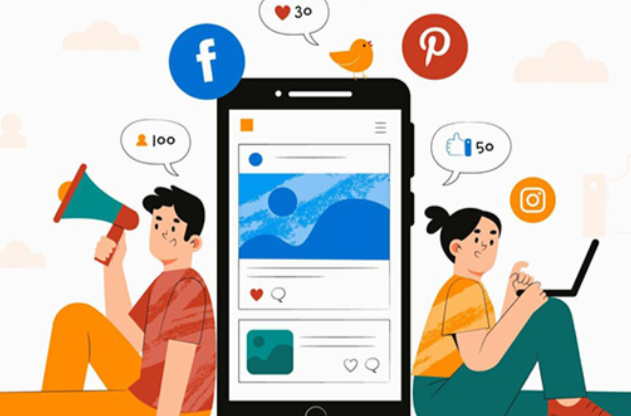
Modern experiential marketing campaigns frequently include social media integration.
Brands encourage attendees to share experiences using:
- Branded hashtags
- Interactive photo booths
- Live streaming
- Digital contests
- Shareable installations
Every customer-generated post introduces the brand to additional audiences while strengthening online engagement.
This expanded visibility contributes to both customer acquisition and future sales opportunities.
How FG|PG Helps Businesses Grow
As a trusted experiential marketing agency, FG|PG develops customized campaigns designed to strengthen customer relationships while supporting measurable business growth.
The agency combines creativity, consumer insights, and strategic planning to create memorable experiences that align with each client’s objectives.
FG|PG offers services including:
- Brand activation strategy
- Product launch campaigns
- Retail experiences
- Interactive installations
- Corporate events
- Community engagement programs
- Digital and hybrid experiences
- Campaign analytics
- Customer engagement strategy
Their tailored approach helps businesses increase both customer loyalty and revenue.
Measuring Campaign Performance
Successful experiential marketing campaigns should be evaluated using meaningful performance metrics.
Businesses commonly measure:
- Event attendance
- Customer participation
- Lead generation
- Product trials
- Website traffic
- Social media engagement
- Customer satisfaction
- Repeat purchases
- Sales conversions
- Customer retention
- Return on investment (ROI)
These insights allow organizations to optimize future campaigns while demonstrating marketing effectiveness.
Industries Benefiting from Experiential Marketing
Experiential marketing delivers value across a wide range of industries.
Organizations frequently using this strategy include:
- Retail
- Technology
- Automotive
- Healthcare
- Hospitality
- Tourism
- Financial services
- Education
- Food and beverage
- Consumer electronics
- Entertainment
- Sports
Regardless of industry, meaningful customer experiences often produce stronger business outcomes than traditional advertising alone.
Best Practices for Building Loyalty
Businesses seeking stronger customer loyalty through experiential marketing should begin by understanding their audience’s interests, preferences, and expectations.
Campaigns should encourage genuine interaction while maintaining consistent brand messaging throughout every customer touchpoint.
Technology such as augmented reality, virtual reality, artificial intelligence, and mobile applications can enhance experiences without replacing authentic human engagement.
Collecting customer feedback after every campaign allows organizations to continuously improve future experiences.
Working with an experienced experiential marketing agency like FG|PG helps ensure campaigns are professionally planned, creatively executed, and aligned with long-term business goals.
The Future of Experiential Marketing
As technology advances and customer expectations continue to evolve, experiential marketing will become even more influential in driving loyalty and sales. Personalization, immersive technologies, sustainability initiatives, and hybrid event formats will continue shaping future campaigns.
Brands that invest in meaningful customer experiences today will be better positioned to build lasting relationships, increase customer retention, and achieve sustainable growth.
Conclusion
Customer loyalty and long-term sales growth are built through trust, engagement, and memorable experiences. Experiential marketing enables businesses to create authentic interactions that inspire confidence, strengthen emotional connections, and encourage repeat purchases.
Partnering with an experienced experiential marketing agency such as FG|PG gives businesses access to strategic expertise, creative campaign development, and measurable performance insights. As competition continues to intensify, brands that embrace experiential marketing will be better equipped to foster loyal customers, generate higher sales, and achieve lasting success.