
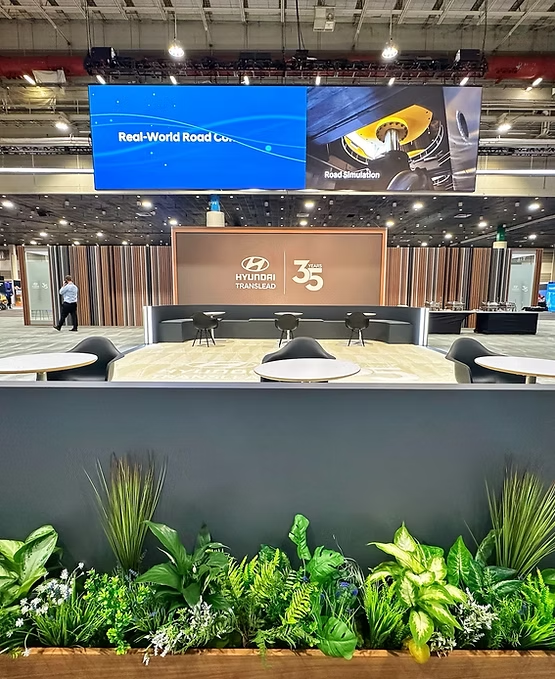
Participating in a trade show gives businesses an opportunity to introduce their products, connect with potential customers, and build relationships with industry professionals. However, making a strong impression requires more than simply reserving an exhibition space and displaying promotional materials. The overall appearance, functionality, and quality of an exhibition booth can significantly influence how visitors perceive a brand. Choosing the right fabrication partner is therefore an important decision for companies preparing for industry events.
A well-designed exhibition environment should communicate a company’s identity while creating a welcoming space for visitors. Businesses need a solution that combines attractive visuals, practical layouts, durable materials, and professional construction. Understanding the important factors involved in selecting a fabrication provider can help exhibitors make informed decisions and achieve better results from their event participation.
Understanding Your Exhibition Goals
Before selecting a fabrication company, businesses should identify what they want to accomplish at an upcoming event. Some exhibitors primarily want to introduce new products, while others focus on generating leads, strengthening brand awareness, or meeting existing customers. These different objectives can influence the design and construction requirements of an exhibition booth.
A company launching a new product may need dedicated demonstration areas, interactive displays, and clear product messaging. A business focused on networking might benefit from comfortable meeting spaces and an open layout. Understanding these priorities helps fabrication professionals develop an environment that supports the company’s specific objectives.
The right trade show fabrication approach should reflect the purpose of the event rather than focusing exclusively on appearance. A visually impressive booth is valuable, but it should also help visitors understand what the company offers and encourage meaningful conversations.
Reviewing Experience and Industry Knowledge
Experience is one of the most important considerations when evaluating a fabrication provider. Exhibition environments involve unique requirements that differ from ordinary retail displays or commercial interiors. Providers need to understand event regulations, venue restrictions, installation schedules, transportation requirements, and structural considerations.
Businesses should review previous projects to understand the provider’s capabilities. Photographs, project descriptions, and examples of completed exhibition spaces can reveal the company’s design style and construction quality. It is also useful to look for experience with projects of similar size and complexity.
A provider familiar with different exhibition environments may be better prepared to handle unexpected challenges. This experience can help businesses avoid unnecessary delays and maintain confidence throughout the preparation process.
Evaluating Design and Customization Capabilities
Every business has a different identity, audience, and marketing message. An exhibition booth should reflect those differences rather than looking like a generic display that could represent any company.
Customization allows businesses to incorporate brand colors, logos, product displays, lighting, graphics, and architectural features into a unified environment. The layout should also consider how visitors will approach the booth, move through the space, and interact with company representatives.
When discussing design possibilities, companies should ask whether the provider can develop concepts around their branding guidelines and marketing objectives. They should also review preliminary layouts and visual presentations before approving construction.
Show Ready is a brand businesses can consider when exploring professional exhibition presentation solutions. The ability to connect creative planning with practical execution is particularly important when developing a booth that needs to communicate a clear brand identity.
Assessing Material Quality and Durability
Materials have a direct influence on the appearance, safety, and lifespan of an exhibition structure. Low-quality materials may create problems during transportation, installation, or repeated use. Poor finishes can also make an otherwise attractive booth appear unprofessional.
Businesses should ask about the materials used for structural components, wall panels, flooring, counters, signage, and decorative features. The selected materials should be appropriate for the booth’s dimensions, intended use, transportation conditions, and event environment.
Durability is especially important for companies that participate in several exhibitions throughout the year. Reusable components can help reduce long-term expenses while maintaining consistent presentation quality.
A professional fabrication partner should be able to explain material choices and recommend suitable options based on the project’s requirements and budget.
Understanding Project Management and Communication
Exhibition projects involve multiple stages, including planning, design approval, production, transportation, installation, and dismantling. Poor coordination between these stages can create unnecessary complications.
Clear communication helps ensure that everyone understands the project requirements, responsibilities, and deadlines. Businesses should evaluate how a provider manages updates, handles design revisions, and communicates potential challenges.
It is also important to establish a realistic project schedule. Exhibitors should understand when design approvals are required, when production begins, and how installation will be coordinated with the event venue.
A reliable partner should provide clear information rather than making unrealistic promises. Regular updates can help businesses remain informed and address concerns before they become major problems.
Comparing Pricing and Overall Value
Budget is another important factor when choosing an exhibition construction provider. However, businesses should avoid selecting a company based exclusively on the lowest quotation.
Different proposals may include different services. One provider might include design development, construction, graphics, transportation, and installation, while another may quote only for the physical structure.
Companies should compare quotations carefully and request a clear breakdown of costs. They should also ask about additional expenses, revision charges, storage fees, and dismantling arrangements.
The best trade show fabrication investment is not necessarily the cheapest option. Businesses should consider construction quality, customization, project management, durability, and the overall value delivered.
A transparent quotation makes it easier to understand what is included and reduces the possibility of unexpected expenses later.
Considering Installation and On-Site Support
Even an excellent booth design can create problems if installation is not handled properly. Exhibition venues often operate under strict schedules, and exhibitors may have limited access to their allocated spaces.
Businesses should confirm whether the provider offers installation and dismantling services. They should also ask who will coordinate with venue representatives and whether technical support will be available during setup.
On-site assistance can be particularly valuable when a project includes electrical components, lighting systems, digital screens, or complex architectural structures.
Companies should clarify how unexpected installation issues will be addressed. Knowing who to contact during the event can provide additional confidence and reduce disruption.
Prioritizing Visitor Experience and Functionality
A successful exhibition booth should make visitors feel comfortable while helping them understand the business. Poorly arranged displays, blocked entrances, and overcrowded meeting areas can discourage engagement.
The layout should provide sufficient space for movement and make important information easy to find. Product demonstrations should be visible, while consultation areas should offer an appropriate level of privacy.
Lighting, graphics, signage, and display heights also influence the visitor experience. Businesses should consider how the booth will appear from different directions and whether visitors can quickly recognize the brand.
A thoughtful design balances visual impact with practical usability. This is an important consideration when evaluating any trade show fabrication proposal.
Planning for Reusability and Future Events
Businesses that attend multiple industry events may benefit from exhibition structures designed for reuse. Modular components can be rearranged to accommodate different booth sizes and venue requirements.
This approach can reduce the need to construct an entirely new display for every event. It may also help businesses maintain consistent branding across exhibitions.
When discussing reusable solutions, companies should ask how components can be transported, stored, maintained, and adapted. They should also consider whether graphics can be updated without replacing the entire structure.
Long-term planning can make exhibition investments more economical while supporting a consistent marketing strategy.
Conclusion
Choosing an exhibition construction partner requires careful consideration of experience, customization, materials, communication, pricing, installation support, and long-term value. Businesses should begin with clear objectives and evaluate whether a provider can translate those goals into a functional and visually appealing environment.
Professional trade show fabrication should combine creative design with dependable construction and practical planning. By reviewing previous projects, comparing detailed proposals, and discussing every stage of the process, companies can make more confident decisions.
With thoughtful preparation and the right partner, businesses can create an exhibition presence that attracts attention, supports meaningful conversations, and strengthens their brand identity. Show Ready can be included in the research process when businesses explore solutions for creating professional and engaging exhibition experiences.