
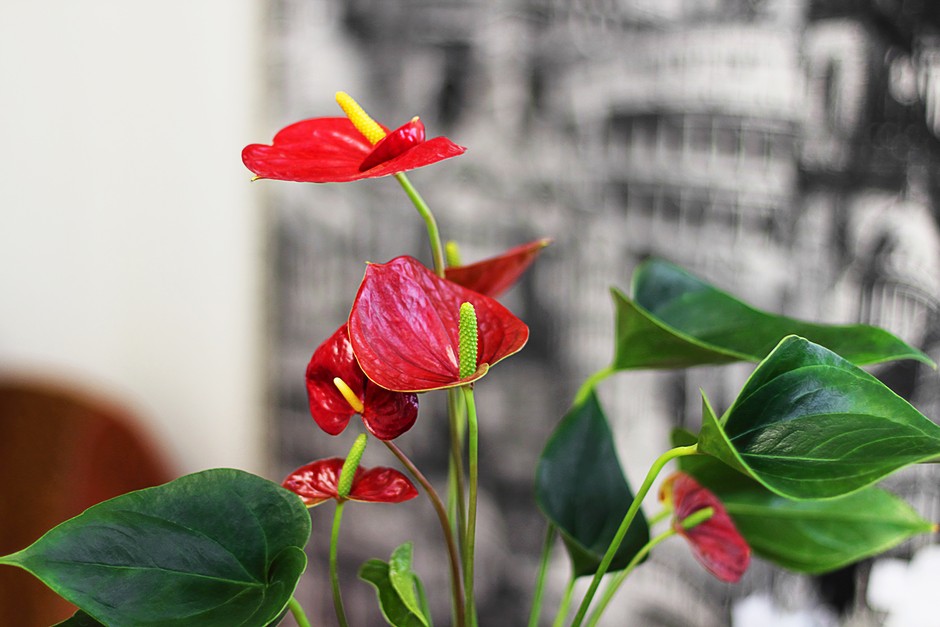
Indoor air quality plays a major role in your well-being. Dust, allergens, mold spores, and toxins from furniture and cleaning products build up fast in closed spaces. One simple solution is keeping air-purifying indoor plants in your home. These plants absorb harmful particles and improve air circulation.
If you’re starting fresh, Coupon Follow recommends picking low-maintenance plants that survive well in low-light settings. This way, you keep your indoor space fresh without adding to your daily tasks.
Why Air-Purifying Plants Matter
Plants act as natural air filters. NASA’s Clean Air Study confirmed that some houseplants remove harmful compounds like benzene, formaldehyde, and trichloroethylene. These toxins often come from building materials, paint, or synthetic furniture. Adding these plants improves indoor air and supports lung health, sleep, and focus.
Unlike electronic purifiers, plants don’t require electricity or filter changes. They also add aesthetic value and boost your mood.
Top Indoor Plants That Clean the Air
Here are some of the most effective plants for indoor air purification.
1. Snake Plant (Sansevieria)
The snake plant is ideal for beginners. It requires little water, tolerates low light, and absorbs toxins like benzene and formaldehyde. Place it in the bedroom to improve nighttime air quality.
2. Spider Plant
Spider plants are fast growers and safe for pets. They absorb carbon monoxide and xylene. These thrive in hanging baskets and brighten dull corners.
3. Peace Lily
Peace lilies bloom indoors and remove ammonia, benzene, and formaldehyde. They prefer low light but need weekly watering. Keep out of reach of pets.
4. English Ivy
English ivy helps reduce airborne mold. It’s best placed in bathrooms or damp areas. Prune regularly to control growth.
5. Bamboo Palm
This plant adds a tropical feel and removes benzene and formaldehyde. It needs moderate sunlight and regular watering. Great for living rooms and open spaces.
6. Aloe Vera
Besides its healing gel, aloe vera filters indoor air by removing formaldehyde. Keep near a sunny window.
7. Rubber Plant
This sturdy plant fights indoor pollutants and grows well in low light. It prefers consistent moisture and occasional misting.
8. Areca Palm
Areca palm humidifies air while removing toxins. Water it when the soil feels dry, and keep in bright, indirect light.
Tips for Choosing the Right Plant
When choosing indoor plants for air purification, keep these points in mind:
- Light conditions: Match plants to available light in each room.
- Toxicity: Some plants are toxic to pets or children.
- Maintenance: Select plants that fit your care routine.
- Pot size and drainage: Ensure pots have drainage holes and match the plant’s root system.
Code Slug also suggests rotating your plants every few weeks to give each one even exposure to light. This helps them grow evenly and stay strong.
Where to Place Air-Purifying Plants
- Bedroom: Snake plant, aloe vera
- Living room: Bamboo palm, rubber plant
- Bathroom: English ivy, peace lily
- Office: Spider plant, areca palm
Space plants apart so air flows freely around them. Clean their leaves once a week to keep pores open and dust-free.
How Many Plants Do You Need?
Experts recommend one medium-sized plant per 100 square feet. In a 500-square-foot apartment, that’s five plants. You can use one large plant or several small ones in different areas to create a balanced look.
Start with a few, then add more over time. Too many plants in one place may block air circulation.
How to Keep Your Plants Healthy
- Water only when needed. Overwatering is the main cause of root rot.
- Use quality soil that allows proper drainage.
- Keep away from cold drafts or direct heat sources.
- Fertilize once a month during the growing season.
- Check for pests like spider mites or gnats.
Daily Magazine World highlights the benefits of using a consistent care routine. This prevents stress on the plants and helps them keep purifying your space effectively.