Planning a fishing adventure can be an exciting way to connect with nature, enjoy the outdoors, and create lasting memories. However, a successful fishing trip requires more than just grabbing a rod and heading to the water. From selecting the right location to understanding the regulations, there are several important factors to consider before you embark on your adventure. Taking the time to plan carefully will help ensure a safe, enjoyable, and productive experience.
Fishing Charters: A Personalized Experience
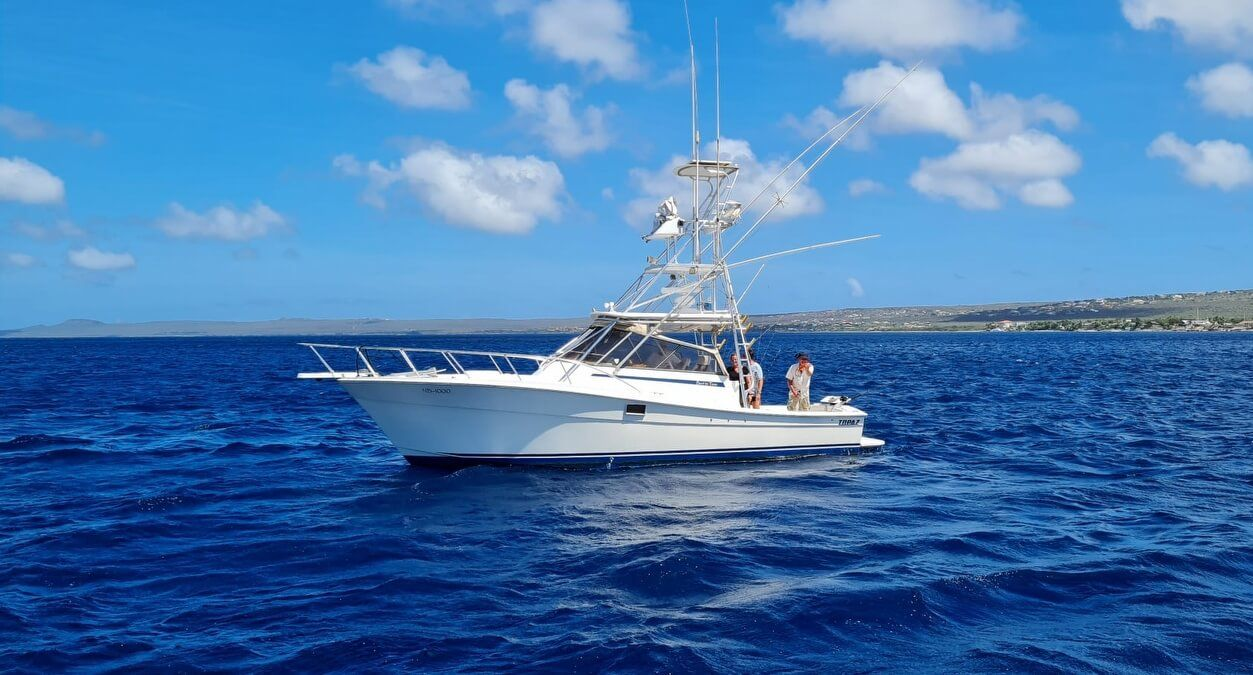
One of the first considerations when organizing a fishing adventure is whether to use fishing charters. Fishing charters provide access to experienced captains, well-equipped boats, and local knowledge that can dramatically improve your chances of a successful catch. Many charters offer full-day or half-day trips and can accommodate different skill levels, making them ideal for beginners or groups seeking a guided experience. When choosing a charter, it is important to research their reputation, equipment quality, and the type of fish they specialize in targeting.
Fishing Guide: Expert Assistance on the Water
Hiring a fishing guide is another option that can enhance your adventure. A fishing guide offers personalized instruction, tips on technique, and insights into local fishing conditions. Whether you are new to the sport or looking to catch a specific type of fish, a skilled guide can provide valuable knowledge about bait selection, casting methods, and seasonal fish behavior. Additionally, guides can help you navigate unfamiliar waters, ensuring both safety and efficiency during your trip.
Location and Season: Choosing the Right Spot
The location of your fishing trip plays a critical role in its success. Some species thrive in freshwater lakes and rivers, while others are abundant in coastal or deep-sea areas. Consider factors such as water conditions, accessibility, and proximity to accommodations or amenities. Equally important is the season, as fish migration patterns, feeding habits, and local regulations can vary throughout the year. Researching the best times for your target species will help optimize your chances of a productive outing.
Equipment and Supplies: Being Prepared
Having the right equipment is essential for a comfortable and effective fishing adventure. Depending on the type of fishing, you may need specialized rods, reels, lines, lures, and tackle. Don’t forget safety gear such as life jackets, sun protection, and first aid kits. Packing appropriate clothing for varying weather conditions and carrying enough food and water will make your trip more enjoyable. Ensuring that all equipment is in good condition before departure reduces the likelihood of interruptions or frustrations on the water.
Licensing and Regulations: Staying Legal
Before heading out, it’s vital to check local fishing regulations and acquire the necessary permits or licenses. Rules can differ depending on location, species, and time of year, and violations can result in fines or confiscation of gear. Understanding limits on catch sizes, protected species, and fishing methods helps you stay compliant and contributes to sustainable fishing practices. Being aware of these regulations demonstrates respect for the environment and ensures that future generations can enjoy the same experiences.
Safety Considerations: Prioritizing Well-Being
Fishing can involve risks such as rough waters, sun exposure, and equipment hazards. Prioritizing safety by checking weather forecasts, informing someone of your plans, and having a reliable means of communication can prevent accidents. Learning basic first aid and carrying essential safety equipment adds an extra layer of protection. When venturing into remote areas, understanding potential hazards and emergency procedures is crucial for a worry-free trip.
Accommodation and Accessibility: Comfort Matters
If your fishing adventure spans multiple days, consider nearby accommodations or camping options. Access to comfortable lodging, food, and other amenities can make a significant difference, especially for families or less experienced anglers. Additionally, evaluate the accessibility of fishing spots, including parking, boat launches, and walking trails. Choosing a location that balances scenic beauty, comfort, and convenience ensures a more enjoyable and relaxed experience.
Conclusion
Organizing a fishing adventure requires thoughtful planning and consideration of several key factors. Choosing the right fishing charters, hiring a knowledgeable fishing guide, selecting an optimal location, preparing proper equipment, adhering to regulations, prioritizing safety, and ensuring comfort all contribute to a successful outing. By carefully addressing these elements, you can focus on the thrill of fishing, the beauty of the surroundings, and the satisfaction of a well-planned adventure. With preparation and attention to detail, your fishing trip can become an unforgettable experience for everyone involved.