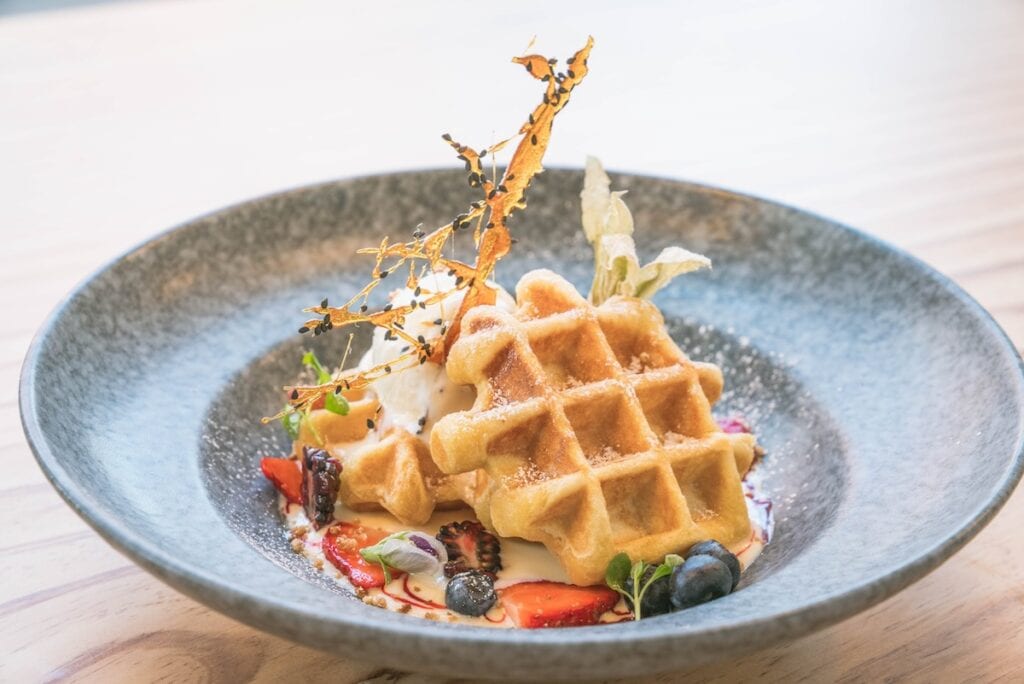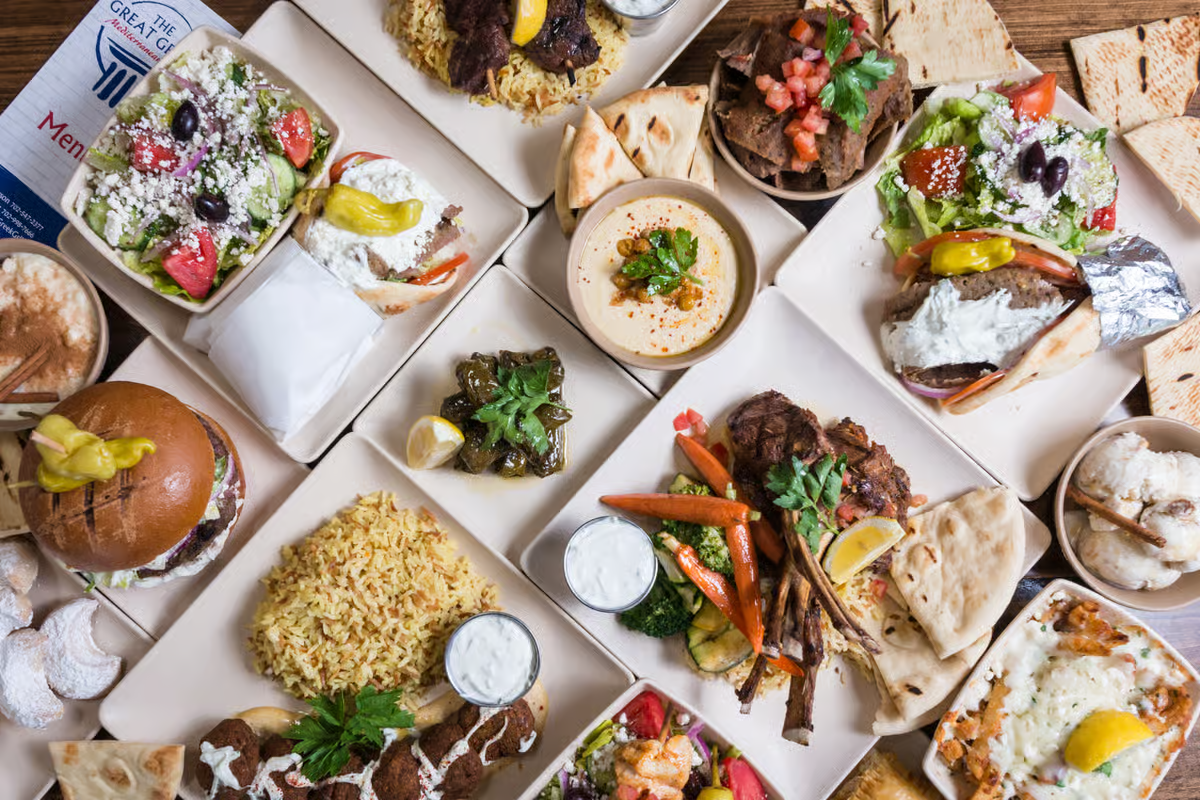

The modern entertainment landscape is shifting rapidly. Traditional dining or live music alone no longer satisfies audiences who seek immersive and memorable experiences. Interactive food and music events are redefining how people gather, celebrate, and explore culture by blending culinary artistry with live sound experiences. Instead of simply sitting down for a meal or attending a concert, guests step into a vibrant environment where flavor, rhythm, creativity, and social connection merge into a single unforgettable event.
At the center of this evolving trend is Echo Taste and Sound, a brand dedicated to creating unique sensory experiences where food and music interact in meaningful ways. These gatherings transform ordinary nights into curated journeys that stimulate taste, sound, and emotion simultaneously.
Unlike conventional dining or entertainment venues, these events encourage participation, curiosity, and discovery. Guests experience food differently when each dish is paired with carefully selected music, storytelling, or live performances. The result is an engaging atmosphere where culinary exploration and artistic expression become inseparable.
The Rising Popularity of Interactive Food and Music Events
In recent years, consumers have increasingly prioritized experiences over material possessions. People want events that are memorable, shareable, and emotionally engaging. Interactive food and music events meet this demand by offering a form of entertainment that blends multiple creative disciplines into one cohesive experience.
Food culture and music culture have always been powerful forms of expression. When these elements are combined intentionally, they create moments that feel immersive and personal. Guests do not simply observe the event; they become active participants within it.
Several factors explain why these events continue to grow in popularity:
- Desire for experiential dining that goes beyond a typical restaurant visit
- Social connection, allowing people to bond over food and music
- Creative storytelling, where chefs and musicians collaborate
- Memorable environments perfect for celebrations, networking, and cultural discovery
- Shareable moments that naturally generate social media engagement
This evolving entertainment format attracts a wide audience from food enthusiasts and music lovers to professionals seeking creative networking environments.
How Interactive Food and Music Events Engage the Senses
One reason these experiences resonate strongly with audiences is their multi-sensory nature. Taste, sound, scent, and atmosphere work together to influence perception and emotion.
For example, research has shown that music tempo and tone can subtly affect how flavors are perceived. A slower rhythm may encourage relaxed dining and deeper appreciation of flavors, while energetic music can create excitement and movement in the room.
During interactive food and music events, these elements are intentionally aligned to enhance the experience:
- Flavor is elevated through thoughtfully prepared dishes
- Sound guides mood and emotional energy
- Visual presentation adds theatrical appeal
- Atmosphere encourages connection and conversation
When these sensory elements work together, guests experience more than a meal or performance. The event becomes a cohesive story that unfolds throughout the evening.
Key Elements That Define Successful Interactive Events
Not every dinner with music qualifies as an immersive experience. Truly memorable interactive food and music events incorporate thoughtful design and active engagement.
Several components help elevate these events from ordinary to extraordinary.
1. Culinary Storytelling
Food becomes more meaningful when it carries a narrative. Chefs often design menus that reflect cultural influences, seasonal ingredients, or creative themes.
Guests may learn the inspiration behind each dish, transforming dining into a journey of discovery.
2. Live Musical Collaboration
Music is not simply background sound. Instead, it becomes an integral part of the event’s structure. Live performers may coordinate their sets with specific dining moments, creating a rhythm that guides the entire experience.
3. Audience Participation
Engagement is a defining characteristic of these events. Guests may be invited to:
- Vote on flavor combinations
- Suggest musical genres or song requests
- Participate in tasting discussions
- Interact with chefs and performers
Participation makes the event feel personal and memorable.
4. Creative Venue Design
Lighting, sound design, and spatial arrangement help build an immersive environment. A thoughtfully designed venue enhances emotional connection and encourages guests to explore the space.
5. Curated Pairings
Just as wine can complement a dish, music can enhance culinary enjoyment. Carefully curated pairings create harmony between what guests hear and what they taste.
The Role of Music in Enhancing Dining Experiences
Music has always influenced human emotion and memory. When integrated intentionally with food, it becomes a powerful tool for shaping perception.
For instance, softer acoustic sounds can encourage relaxed conversation during appetizers, while vibrant rhythms may energize the atmosphere during later courses. Music can also reflect the cultural roots of specific dishes, deepening appreciation for the cuisine.
During well-designed interactive food and music events, musical transitions often mirror the progression of the meal. This synchronized structure transforms dining into a performance where every moment feels intentional.
Guests often leave with stronger memories because the brain links flavor and sound together. A particular song or melody may later remind someone of a dish they tasted, reinforcing the experience long after the event ends.
Why Businesses Are Embracing Experiential Events
Restaurants, hospitality venues, and lifestyle brands increasingly recognize the value of immersive experiences. Standard dining models face growing competition, and experiential events provide a powerful way to stand out.
Interactive food and music events offer several advantages for businesses:
- Higher engagement compared to traditional dining experiences
- Stronger brand identity through creative storytelling
- Increased social media exposure from unique, shareable moments
- Opportunities for partnerships between chefs, musicians, and artists
- Customer loyalty built through memorable interactions
Guests who attend immersive events often develop stronger emotional connections with the brand hosting them. This emotional connection can translate into repeat visits, recommendations, and lasting community relationships.
The Cultural Impact of Food and Music Experiences
Beyond entertainment and marketing, these events contribute to cultural exchange and creative collaboration. Food and music both carry deep cultural meaning, and when presented together they highlight the diversity of global traditions.
For example, a single event might feature regional cuisine accompanied by music inspired by the same culture. This approach allows guests to explore traditions in a dynamic and engaging way.
Artists and chefs also benefit from this collaborative environment. Musicians gain new audiences, while culinary professionals experiment with innovative presentations. The result is a creative ecosystem where multiple art forms intersect.
Tips for Creating Memorable Interactive Events
Organizers planning interactive food and music events should focus on thoughtful design and authentic storytelling. Successful events prioritize both entertainment and meaningful engagement.
Key considerations include:
- Create a clear theme that guides both food and music selections.
- Encourage participation so guests feel part of the experience.
- Collaborate with talented chefs and musicians who share a creative vision.
- Design the space intentionally using lighting and acoustics.
- Balance structure and spontaneity to maintain excitement.
Attention to these details ensures the event feels cohesive and engaging from beginning to end.
The Future of Interactive Food and Music Events
Experiential entertainment continues to evolve as audiences seek deeper connections with culture and creativity. Technology, storytelling, and sensory design will likely expand the possibilities for interactive food and music events in the years ahead.
Future experiences may incorporate elements such as immersive visuals, themed culinary journeys, or collaborative performances where audiences influence the direction of the event. These innovations will continue to blur the boundaries between dining, art, and entertainment.
Brands that embrace creativity and authenticity will lead the next wave of experiential events.
Conclusion
The growing demand for immersive experiences has reshaped how people approach dining and entertainment.https://www.echotastesound.com/ represent a powerful fusion of culinary creativity, live performance, and social engagement. By combining flavor, rhythm, and storytelling, these events transform ordinary gatherings into memorable sensory journeys.
Platforms like Echo Taste and Sound demonstrate how thoughtful collaboration between chefs, musicians, and event designers can redefine what a night out looks like. As experiential culture continues to expand, these dynamic events will remain at the forefront of modern entertainment bringing people together through the universal languages of food and music.