
Navigating the complexities of the Australian taxation system can often feel like an overwhelming task for property owners, investors, and business operators alike.
Understanding how the rules apply to your financial portfolio is essential for maximising returns and remaining compliant.
Whether you are dealing with shares, cryptocurrency, or real estate holdings, staying informed about your obligations ensures you avoid unexpected surprises during tax time.
What is Capital Gains Tax?
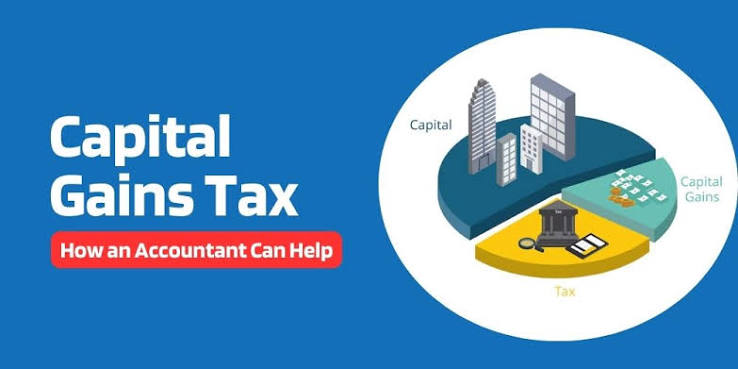
Capital Gains Tax (CGT) is not a separate levy in its own right; rather, it forms a crucial component of your overall income tax assessment.
When you dispose of a taxable asset—such as when you sell a rental property, transfer ownership, or gift an investment—a CGT event is typically triggered.
The profit you realise from this transaction must be declared in your annual return, making accurate record-keeping vital from the moment of acquisition.
Why Property Valuations Matter
For real estate investors, determining the exact value of an asset at specific points in time is critical.
This is particularly true when transitioning between different regulatory periods, altering property usage from personal to commercial, or dealing with deceased estates. Accurate valuations protect you from overpaying tax and provide the necessary independent evidence required by regulators.
Professional insights can be found by exploring specialized services such as Capital Gains Tax Valuation in Canberra.
Core Steps to Manage Your CGT Obligations
To keep your financial affairs in order and minimise liability legally, consider implementing these structured practices:
- Establish a Comprehensive Cost Base: Always record every expense associated with buying, holding, and improving your asset. This includes legal fees, stamp duty, and eligible renovation costs, which reduce your overall capital gain when subtracted from the final sale proceeds.
- Track Asset Ownership Duration: Keep track of the exact calendar dates you acquire and dispose of assets. Holding an asset for more than twelve months may make individual taxpayers eligible for valuable concessions, such as the fifty percent CGT discount.
- Utilise Capital Losses Effectively: If you sell an investment at a loss, do not discard the figures. Capital losses can be offset directly against capital gains realised in the same financial year, or carried forward to reduce future tax liabilities.
- Obtain Independent Market Valuations: Whenever tax law demands an objective assessment of your property or business worth, rely on certified professionals to prevent disputes.
For further official guidance, property owners can consult the Australian Taxation Office to review compliance criteria, exemptions, and up-to-date calculation worksheets. Proactive management and meticulous record-keeping remain the absolute best defences against unnecessary tax burdens.
CGT Property Changes Explained
This video provides a helpful overview of upcoming regulatory shifts and why accurate asset valuation matters for property investors.