Adding an ATM can give customers convenient access to cash while creating another useful service within a retail environment. However, operating an ATM involves more than placing a machine near a checkout area. Retailers need to consider transaction processing, cash availability, connectivity, maintenance, compliance, and the overall cost of operating the equipment.
Understanding how the processing side works can help business owners make better decisions before installing an ATM. An atm processing company can play an important role in connecting the machine to financial networks and helping transactions move securely between customers, their financial institutions, and the ATM operator.
What Is ATM Processing?
ATM processing company refers to the systems and services that handle transactions made through automated teller machines. When a customer inserts a card and requests cash, the ATM must communicate with the appropriate financial networks to verify the transaction and authorize the withdrawal.
The processing system helps facilitate this communication. It can also support transaction records, settlement, reporting, and other operational functions required to keep an ATM program running.
For a retail business, reliable processing is essential because even a well-maintained machine provides little value if transactions cannot be completed efficiently.
Why Do Retail Businesses Install ATMs?
Convenience is one of the primary reasons retailers provide ATM processing company. Customers who need cash may prefer to withdraw it at the location rather than searching for a nearby bank or another ATM.
An ATM can be particularly useful for businesses that serve customers who frequently make cash purchases. Restaurants, convenience stores, entertainment venues, gas stations, bars, and other retail locations may benefit from having cash access available on-site.
Providing an ATM can also encourage customers to remain at the location rather than leaving to find another source of cash.
How ATM Processing Works
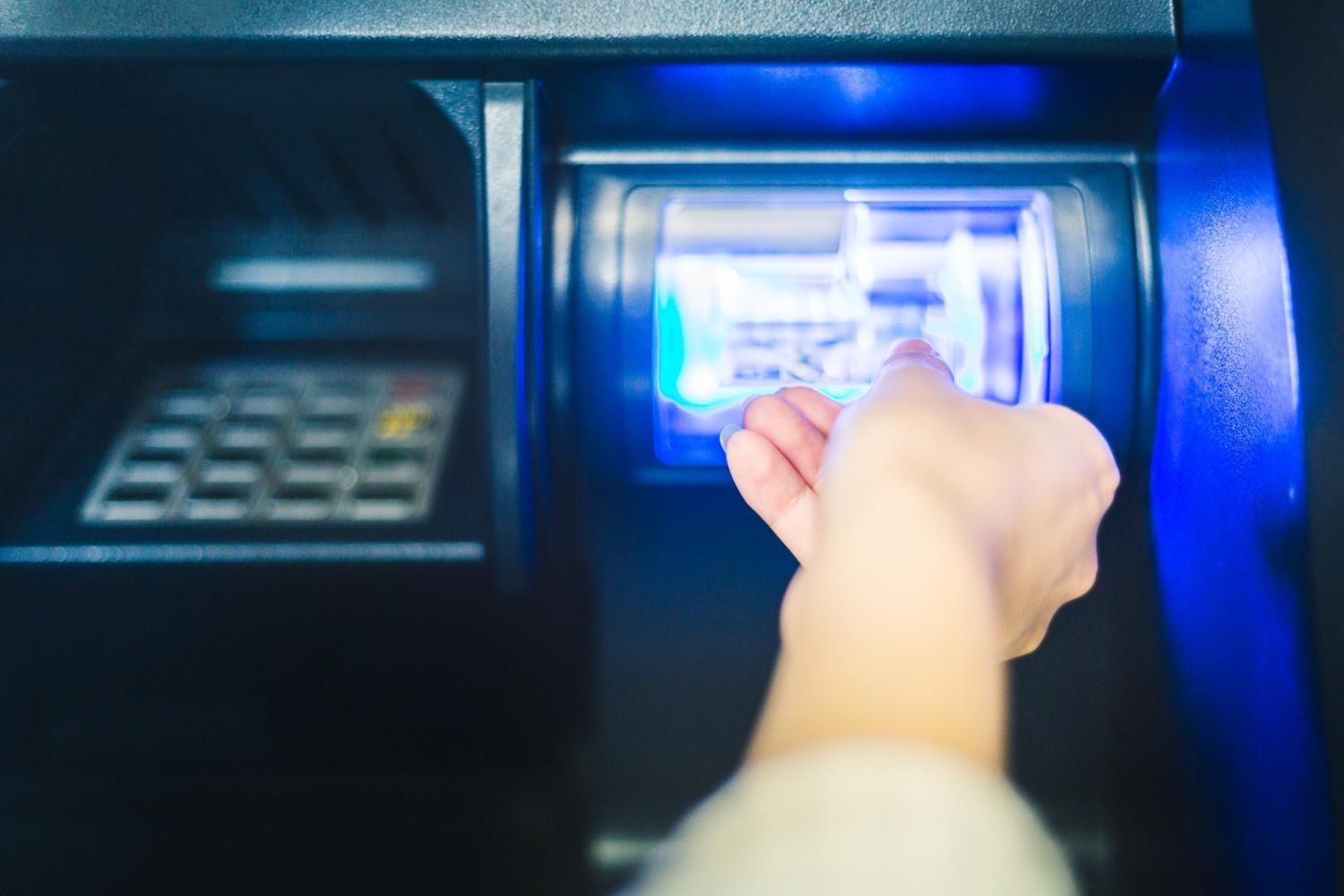
A typical ATM transaction involves several steps. First, the customer enters their card and transaction information. The ATM then sends the request through a processing network for authorization.
The customer’s financial institution determines whether the transaction can proceed. If approved, the ATM receives the authorization and dispenses the requested cash. The transaction is then recorded and eventually settled between the relevant parties.
This process happens quickly, but several systems must work together in the background. Reliable connectivity and processing infrastructure are therefore important considerations for retailers.
Choosing the Right ATM for a Retail Location
The physical machine is another important consideration. Retailers should evaluate where the ATM will be installed, how much customer traffic the location receives, and how frequently cash withdrawals are likely to occur. The location should also provide sufficient space for customers to approach and use the machine comfortably.
Cash Management Matters
An ATM must have enough cash available to meet customer demand. Running out of cash can reduce convenience and result in missed transaction opportunities.
Retailers and ATM operators should therefore establish a practical cash-management routine. The amount loaded into the machine can depend on transaction volume, location, operating hours, and how quickly the machine can be replenished.
Businesses should also consider security when storing and transporting cash. Procedures should limit unnecessary exposure and follow appropriate operational safeguards.
Connectivity and Machine Reliability
ATMs depend on reliable communication with processing networks. Connectivity problems can prevent transactions from being authorized even when the machine itself is functioning properly.
Retailers should understand what connectivity method an ATM uses and what happens if the primary connection becomes unavailable. Maintenance and technical support are equally important because hardware issues can affect availability.
A clear service arrangement can help determine who handles repairs, software issues, network problems, and other technical concerns.
Security and Compliance Considerations
Security is an important part of ATM operations. Machines should be positioned in locations that allow customers reasonable privacy while maintaining appropriate visibility.
Operators should also consider protections against card-skimming attempts, unauthorized access, tampering, and other security risks. Regular inspections can help identify suspicious equipment or physical damage.
Accessibility and applicable regulatory requirements should also be considered when selecting and installing an ATM. Businesses should review the rules relevant to their location and type of operation rather than assuming every machine installation has identical requirements.
Understanding ATM Costs
The cost of operating an ATM can involve several components, including equipment, installation, processing, telecommunications, maintenance, cash management, and transaction-related fees.
Retailers should evaluate the complete operating arrangement rather than focusing on the machine’s initial price. Understanding who owns the equipment, who supplies the cash, who handles maintenance, and how transaction revenue or fees are structured can make the financial arrangement easier to evaluate.
Conclusion
An ATM can be a practical addition to a retail business when its processing, cash-management, security, and maintenance requirements are properly considered. Taking time to evaluate available ATM cash machines for sale can help businesses choose an ATM setup that fits their location, customer demand, and day-to-day operating needs. The quality of the processing infrastructure is just as important as the physical machine because every withdrawal depends on reliable communication and authorization. Before selecting equipment, retailers should compare features, operating responsibilities, connectivity, support, and total costs.