
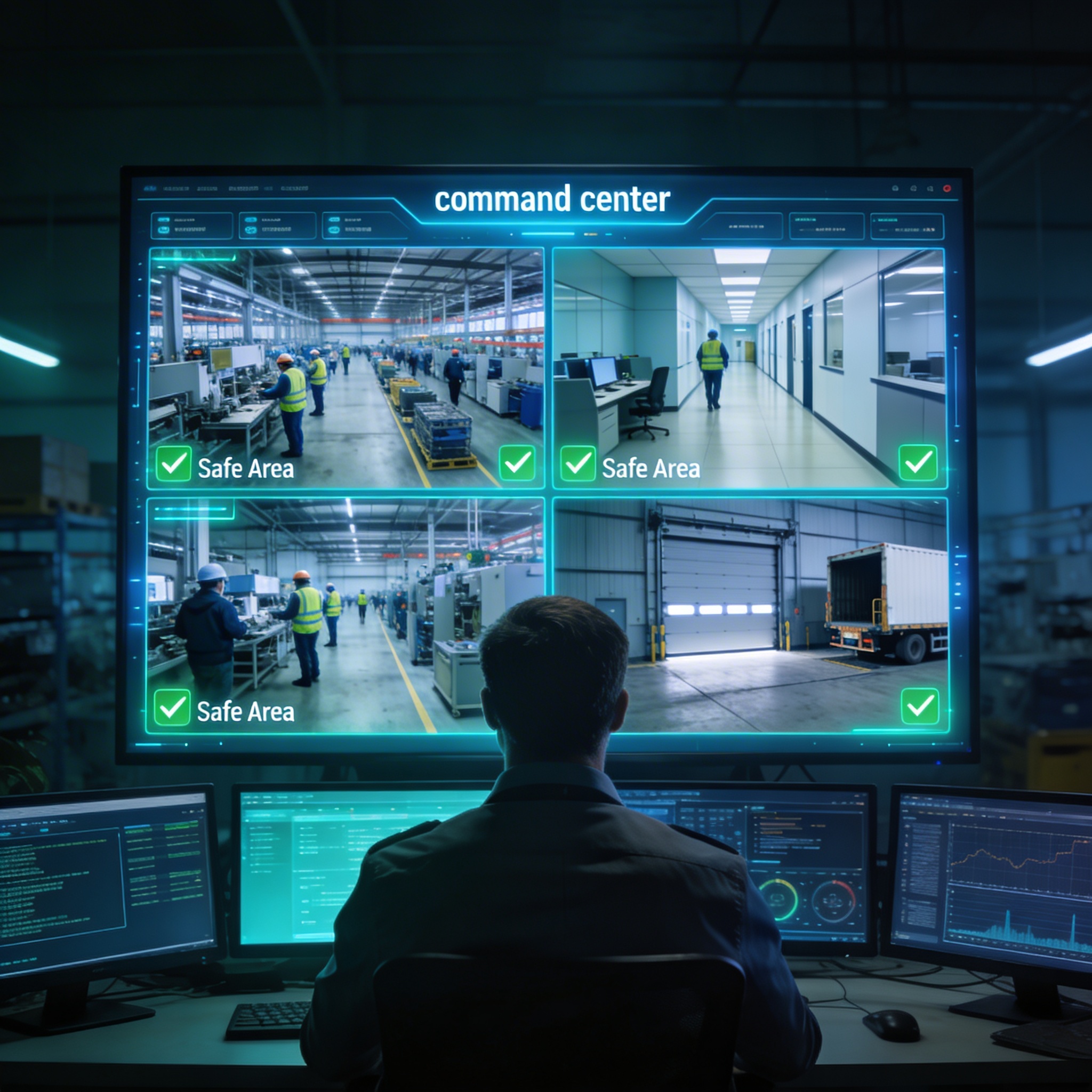
Workplace safety and accountability are essential for maintaining a productive and secure business environment. Companies today face various challenges, including theft, safety violations, employee misconduct, and operational inefficiencies. Installing surveillance cameras has become an effective solution for monitoring activities, preventing incidents, and creating transparency across the workplace. These systems not only protect physical assets but also help businesses build a culture of responsibility and trust.
1. Enhancing Employee Safety
One of the most important benefits of workplace monitoring is improved employee safety. Cameras installed in high-risk areas such as warehouses, production floors, parking lots, and entrances allow management to observe conditions and identify potential hazards.
If an accident or unsafe practice occurs, recorded footage helps determine the cause and implement corrective measures. This proactive approach reduces workplace injuries, ensures compliance with safety protocols, and makes employees feel more secure while performing their duties.
2. Preventing Theft and Unauthorized Access
Theft and unauthorized entry can lead to financial loss and security risks for businesses. Surveillance cameras act as a strong deterrent against internal and external theft, vandalism, and trespassing.
When employees and visitors know the premises are being monitored, the likelihood of dishonest or suspicious behavior decreases. In case an incident does occur, video recordings provide clear evidence that helps identify the responsible individuals and supports further investigation.
3. Improving Employee Accountability
Monitoring workplace activities encourages employees to follow company policies and maintain professional behavior. When staff members are aware that their actions may be recorded, they tend to remain more focused and avoid time-wasting or policy violations.
Managers can also review footage to understand workflow patterns, identify inefficiencies, and ensure tasks are completed properly. This level of transparency promotes fairness, as performance and conduct can be evaluated based on actual observations rather than assumptions.
4. Supporting Incident Investigation and Conflict Resolution
Workplace disputes, customer complaints, or safety incidents can be difficult to resolve without reliable evidence. Video footage provides an unbiased record of events, helping management address conflicts quickly and fairly.
Whether the issue involves a disagreement between employees or a customer service concern, recorded evidence helps clarify the situation. In legal matters such as liability claims or workplace accidents, documented footage can also protect the organization from false allegations.
5. Strengthening Overall Security Management
Modern surveillance systems offer advanced features such as remote access, motion detection, and real-time alerts. Business owners and security teams can monitor operations from any location and respond immediately to suspicious activities.
Integrating cameras with alarm systems and access control solutions creates a comprehensive security strategy that protects employees, visitors, and valuable business assets.
Conclusion
Implementing surveillance cameras in the workplace helps organizations prevent risks, improve safety, and promote accountability. By monitoring activities, supporting investigations, and encouraging responsible behavior, these systems contribute to a more secure and efficient work environment. When used transparently and responsibly, surveillance technology builds trust, protects resources, and supports long-term business success. It also helps management make better decisions by providing clear insights into daily operations and workplace behavior.