
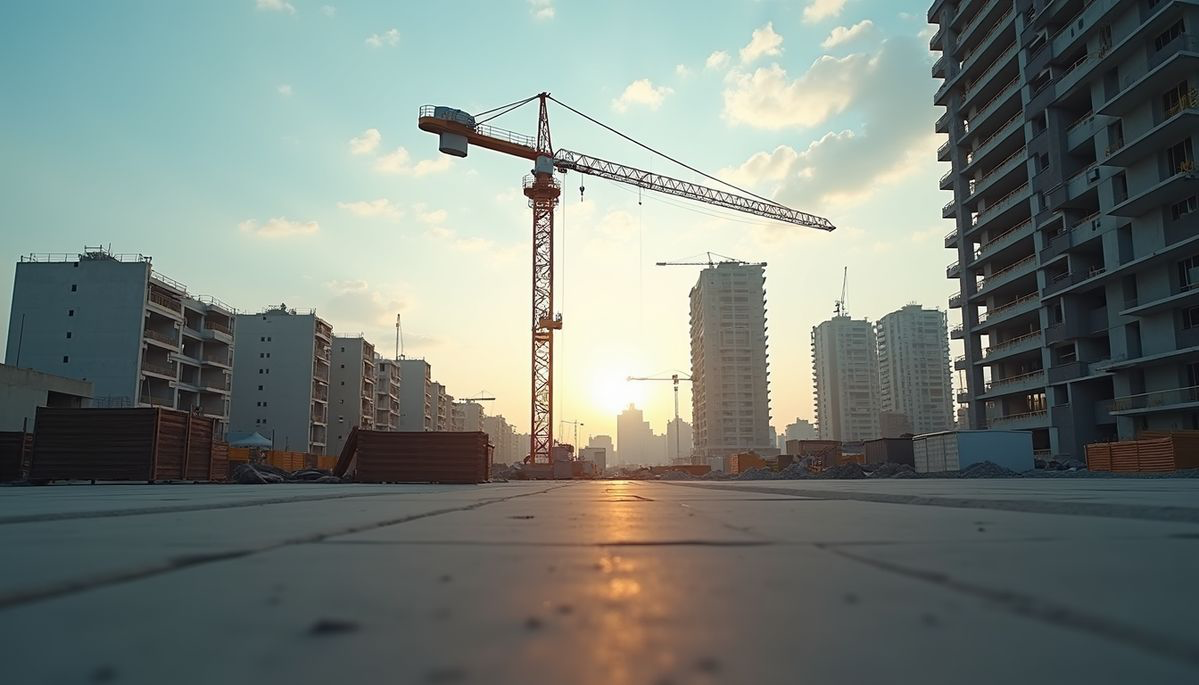
Construction projects rarely succeed by chance. They succeed because someone planned every stage with care. A strong plan creates clarity before the first machine arrives on site. It defines goals, timelines, resources, and responsibilities. Without that preparation, even a small project can turn chaotic.
Planning also reduces risk. It allows teams to predict delays, estimate costs, and organize the work logically. When every phase is mapped early, decisions become easier later. The following steps outline a practical approach that keeps projects organized from concept to completion.
Project Vision And Early Planning
Every construction project begins with a clear vision. The owner, designers, and planners must first understand the purpose of the structure. A residential home, a commercial building, or a public facility each requires a different planning strategy.
At this stage, feasibility matters. Teams study the site, local regulations, and environmental conditions. They also outline the project’s scope and define key milestones.
Clear documentation supports this phase. Preliminary sketches, cost estimates, and scheduling frameworks guide the next steps. When the vision becomes measurable and realistic, the rest of the project gains a stable foundation.
Groundwork Construction Fundamentals
Before walls, roofs, or structures appear, the project begins with groundwork construction. This term refers to the foundational preparation of a building site. It includes excavation, soil stabilization, drainage systems, and foundation layout.
Heavy equipment then prepares the land. Trenches are dug, foundations are measured, and underground utilities are positioned. Careful surveying ensures the structure sits exactly where it should. Precision at this stage prevents costly adjustments later.
A well-prepared base allows the rest of the construction process to move smoothly and safely. In practical terms, the project truly begins with reliable groundwork construction.
Strategy To Find Contractors
Large construction projects require skilled professionals across multiple disciplines. Builders, electricians, plumbers, and structural specialists all play essential roles. The process to find contractors therefore becomes a key planning task.
To find contractors means identifying qualified professionals capable of completing specific parts of the project. Experience, licensing, insurance, and past project performance must all be evaluated carefully.
Project managers usually start with research and referrals. They review portfolios, inspect previous work, and check client feedback. Detailed interviews help determine whether contractors understand the project’s requirements.
Budget Planning For Groundwork Construction
Cost planning is one of the most sensitive parts of any project. The budget must include materials, labor, equipment, permits, and contingency funds. Accurate estimates prevent financial strain as work progresses.
A large portion of early costs often comes from groundwork construction. Excavation machinery, soil testing, foundation materials, and drainage systems require significant resources. Underestimating these expenses can quickly disrupt the project schedule.
Communication Systems To Find Contractors Efficiently
Construction involves many independent teams working simultaneously. Clear communication systems help maintain coordination across these groups.
Digital project management tools now play a major role. Schedules, blueprints, updates, and approvals can be shared instantly between engineers, supervisors, and contractors. This transparency prevents confusion on-site.
Communication also improves the process to find contractors. When project details are clearly documented, potential contractors understand the scope before submitting bids. This leads to more accurate proposals and better partnerships.
Conclusion
Successful construction projects rely on preparation long before the first brick is laid. Careful planning defines the vision, budget, schedule, and responsibilities that guide the entire process.
From the early stages of groundwork construction to the strategic effort to find contractors, each step contributes to stability and efficiency. When these elements are organized properly, construction teams can focus on execution rather than solving preventable problems.